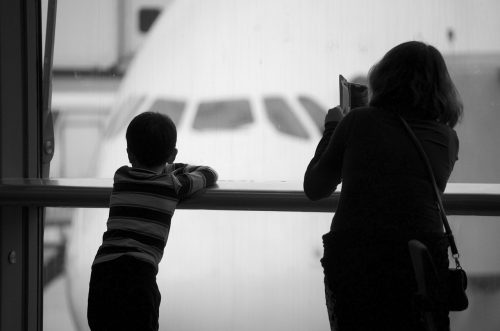
 The season of celebrations is here, and traveling to visit family and friends can be part of the joy of the holidays. It can also be challenging for those with disabilities and special needs. With a bit of advance planning, though, families can smooth the path to holiday cheer.
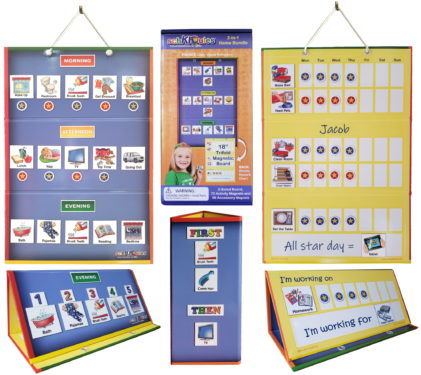
For those on the autism spectrum, a heads up can help. “Before you travel, you should let your child know about any changes in routine that may be coming and remember to repeat the conversation several times,” says autism intervention expert Carl Sheperis, Ph.D., dean of the College of Education and Human Development at Texas A&M University San Antonio. Help your child understand what to expect with social stories and other tools. If you’ll be staying at a hotel, for example, “you might want to show your child pictures of the hotel, the rooms and amenities like the pool from the hotel website,” Sheperis says. Also plan for changes in daily meals – especially if your child has food-related sensitivities or food allergies.
A little practice can even help with the trip itself. “If time and schedule permit, visit the airport or the train station a week or even a few days before you travel and help familiarize your child with the surroundings there,” says Kimberly Sloman, Ph.D., director of autism services at the Scott Center for Autism Treatment at Florida Institute of Technology. “Also, find and share a YouTube video with your child, especially the point-of-view videos that can help them better understand what to expect.”
For families with disabilities and special needs who are planning to fly, experts from Miracle Flights, a medical flight charity providing free plane tickets to ensure access to medical care, offer up “best booking practices.” Flight director Rebecca Boyce says that direct flights are best, and that if a layover is avoidable it is best to allow at least an hour between flights. Let the airline know as soon as you book your flight if you are traveling with a special need, medical condition, special equipment or a service animal. They can make accommodations for:

- Food allergies: Airlines will allow you to pre-board so you can wipe down your seats and tray tables.
- Wheelchairs: If your chair is motorized, they airline will need to know the chair’s dimensions, what kind of batteries it uses (wet or dry cell) and how many.
- Portable oxygen: The airline will want the brand name of your portable oxygen, rate of flow and how it’s administered. Plan to bring a doctor’s note with you when you board.
- Service animals: You don’t need to buy a second seat for your service animal, but airlines do require documentation to confirm training, shots and medical necessity.
- Feeding pumps, monitors and other medical equipment: Have an official doctor’s note handy as a safeguard. “Even if your condition doesn’t impede your ability to fly, emergencies can happen,” says Boyce. “It’s important that anyone providing medical assistance knows your condition.”
During the holidays, especially during the peak daytime hours, arrive at the airport at least three hours early to allow an extra cushion of time to get to your gate. “A better choice, if you can do it, is to travel at off-peak hours—after 6 p.m. or on a red eye—to avoid crowds and save money,” says Boyce.
When you head through security, tell TSA agents about surgical implants, or any objects in your carry-on luggage (liquid medicines, needles) that might cause your bag to be flagged. “I always say, ‘This is a medical bag,’” says Dona Krystosek, whose son has received 25 Miracle Flights for medical treatment. “This way, the agents know to set the bag aside to be hand-checked.” For assistance at security checkpoints from TSA Cares, call 855-787-2227 at least 72 hours before your flight.
To make boarding easier, consider asking for priority boarding, which lets you board before the crowd, giving you extra time to get to your seat and get situated. For children on the autism spectrum, however, you might want to consider boarding last, “which means less time sitting and waiting on the plane,” says Sloman. “Parents know their child and most will feel that one of these options is right for them,” she says, “and airline personnel will help you if you talk with them.”
Finally, Krystosek reminds families traveling with special needs to ask for help if they need it. “Seriously!” she says. “Your fellow travelers want to help if they can. You just need to ask.”