We have great new NAPPA Award winners to share with you – something for every interest.

Digital Fun & Learning
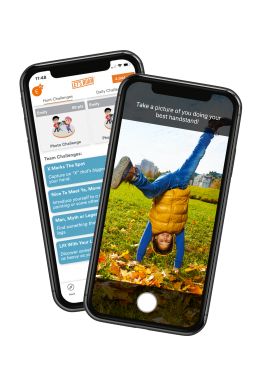
Get ready for an adventure with the Let’s Roam App, great for curious kids and families. Explore like never before as you take on riddles, trivia, and photo challenges. The in-home educational scavenger hunts come in seven selectable-themes that transform your home into a world of creativity. Outdoor scavenger hunt tours allow families to discover any city, learning its history, and seeing remarkable sites. Every hunt comes with downloadable photos and built-in memory-making technology. $12.99, ages 3+.

TutorMe is an online tutoring platform for individual learners that provides 24/7 live, on-demand support in 300+ subjects with qualified tutors. Using their personalized approach, TutorMe helps students regardless of ability, resource, skill level or age not only improve academically but also gain support so they never feel lost. Prices vary, ages K-higher education.
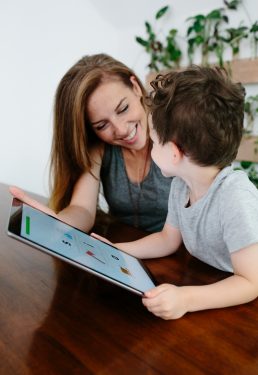
Duolingo ABC is a free app that teaches children how to read. Developed by learning experts, the app includes over 300 fun, bite-sized lessons building on prior lessons and guides children on a step-by-step path to reading. Duolingo ABC is aligned with Common Core standards and is based on recommendations by the National Reading Panel. Ages 3-6.

Love Music
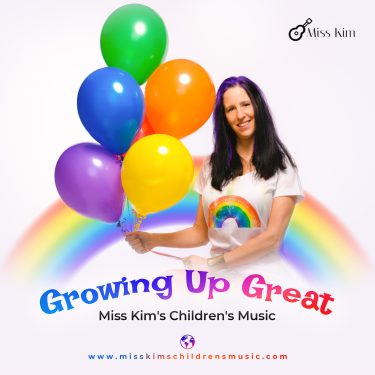
Get up and dance with Growing Up Great, an eleven song musical CD for children created during the pandemic. The songs are energetic and filled with sweet reminders about being kind. $9.99, ages 2-6.

“To Awaken the Sun” is an album of classical music recorded to take music into public schools, with CD sales benefiting the Oklahoma Foster Youth. An acclaimed cellist, Remy-Schumacher has created this album that is predominately instrumental – beautiful for all ages. $15.
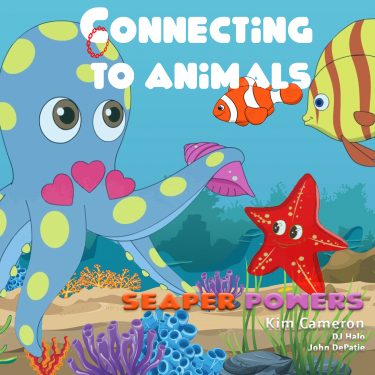
The Seaper Powers Connecting to Animals album is all about our connection to animals, making friends, and how important it is to accept people for their differences. Sing along to Tropical House sounds, Reggae Beats, Calypso Rhythms, Jazzy notes and colorful vocals. $8.99, ages 4-17.

Mix Fun & Learning
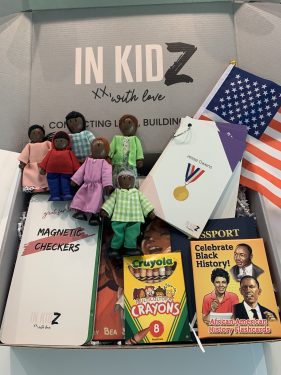
In KidZ expands children’s knowledge of different countries and customs through fun memorable experiences. Chocked full of activities and games, kids will be able to share details about a country without having to get on a plane or get out their passport. Both the America box and Diwali box include interactive learning items, like language flashcards, puzzles, books, games, flags and more. 50/monthly or $49/per box, ages 2-11.
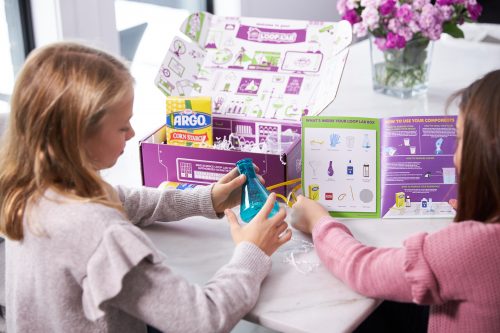
Loop Lab STEM Subscriptions are created by the folks at Mad Science to bring science enrichment home. Each box has a different theme and step-by-step instructions. $32.99/per box, ages 8-12.

MindLabs Energy and Circuits is a magical STEM learning tool for children that combines a digital app, physical cards and augmented reality in a fun and exciting approach to learning core science concepts. $24.95, ages 8-11.
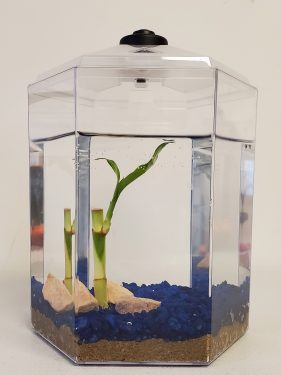
Bring a miniature ecosystem home with Froggy’s Lair BioShere. Each one-gallon tank comes with bioactive sand, colored gravel, a piece of living bamboo and 2 African Dwarf Frogs. All you have to do is change water every three months and feed these swimming, hopping frogs two times per week. $69.95, ages 5+.

Orbital Velocity is a space-themed numerical strategy board game where players are rocket scientists. Game focuses on math, physics, and AI, introducing kids to the concept of decreasing orbital velocity (explained in the rulebook) and gross vs fine acceleration. $19.99, ages 10+.

For more product reviews, visit nappaawards.com



“What school is your child going to?”

No other question (other than perhaps “Do you have a reliable babysitter?”) is uttered more frequently at playgroups and birthday parties. And none evokes more anxiety. Most parents are well aware of the pressures of school choices. This parental one-upsmanship starts in preschool and grows with the child.

Why does it matter so much? Is it because we want the world to know that our child is so beguiling that he can get into XYZ Preschool? Or that her SAT scores were so off the charts that all the Ivies are knocking down our doors? Or is it because these school choices really matter to our kids’ futures?

The recent college-admission scandal has brought these questions to the top of our collective parental minds.

“It hits people right in the stomach,” says Lara Fielding, Psy.D., author of “Mastering Adulthood: Go Beyond Adulting to Become an Emotional Grown-up.” “It just stinks of the entitlement that our American culture kind of hates.” And Fielding says the recent scandals involving bribery and cheating to get kids into colleges reflect one of the biggest mistakes we can make as parents: fixing short-term anxieties.

Fielding says there’s something that feels really good about lowering a child’s anxiety, so oftentimes, you keep repeating the behavior. But going to extremes and solving all of our kids’ problems robs them of vital skills that they need to develop by learning from their own discomfort. “I was, in a way, happy to see this scandal break, hoping maybe now this would be the final red flag. Can you see what you’re doing? Why your kids are ending up in my office so often?” says Fielding, who has a practice in Beverly Hills, California.

But how do we, as involved and concerned parents, avoid these traps and find balance? How do we manage our anxieties about whether our children are going to get into college, find rewarding careers and, ultimately, become happy, productive adults?

We have to decide what our guiding values are as parents and stop listening to the “mind chatter,” as Fielding calls it. “All that mind chatter is a reaction to social comparisons,” she says, “and not consistent to your values.” She recommends using mindfulness techniques when you’re starting to spiral in on whether you feel you’re doing enough for your child or are comparing yourself to another parent’s experiences: Pull yourself back into the present and remember that these thoughts are just thoughts, not facts.

Not all kids are at the top of their class. Or care about school. Or are dying to attend a top-tier college. Those issues often feed into a parent’s anxiety and can lead to the temptation to cheat or buy your way in.

But receiving a rejection letter from a dream school or not achieving a high SAT score can be its own lesson in resilience, and swooping in to rescue your child from disappointment can be a disservice. Remember, Fielding says, that “doing things to help your child feel good short-term is sort of like picking up the crack pipe.”

She stresses that your child’s academic life is only a piece of the big picture of who they are. “It always comes back to those values as a family,” she says. “All we can do is mind our side of that fence and do the best we can to live a vital and fulfilling life, which comes from being consistent to our own true north.”

So the next time you get asked that all-important question, answer it with confidence, knowing that it’s not about the school, but rather about the human being that you’re raising.

These recent NAPPA Award winning products provide great resources for families facing learning challenges.

The ABCs of Learning Issues

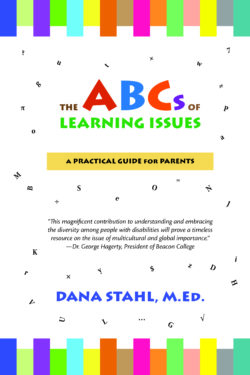
Available in both English and Spanish versions, The ABCs of Learning Issues is a practical guide to help parents understand common learning disabilities and behaviors they may observe at home and hear about from teachers. It offers effective teaching strategies for school and at home, provides a list of professionals who can assist in treating learning issues, and directs readers to Educational Alternatives’ website where they can ask the author confidential questions regarding their children. $39.99

SchKIDules 2-in-1 Home Bundle Visual Schedule

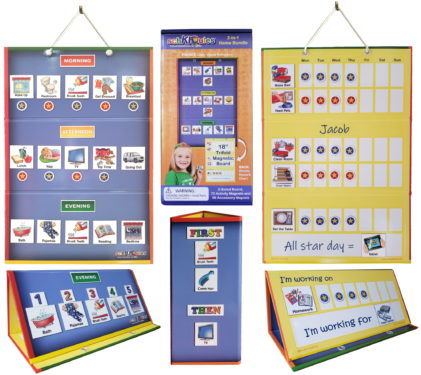
SchKIDules Home Bundle is a positive behavioral support for parents and kids to use together at home. This versatile product allows parents to display anything from simple “first-then” boards, to routines, to daily schedules, to reward charts and more. Kids use them for many reasons such as: simple communication, task execution, early learning, self-management and cooperation. Some children may rely on them more than others such as: kids with ADHD, Autism, NVLD, or visual learners. $42.99, ages: 3+

MobyMax Suite

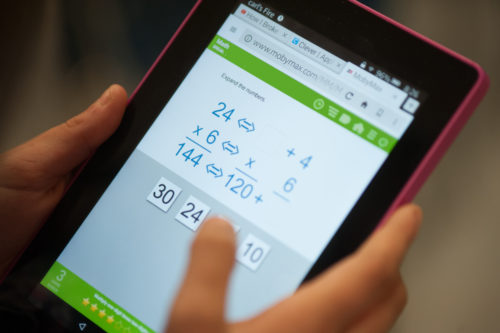
MobyMax is designed to help kids with learning challenges. This suite of assistive technology innovations saves special education teachers valuable time with online assessments, grading and markup tools, easy and accurate diagnostics, IEP reporting, and real-time progress monitoring.

MobyMax offers the only complete and comprehensive K-8 curriculum for 27 subjects, including math, reading, phonics, language, vocabulary, spelling, writing, science, social studies, and state test prep. MobyMax is used in more than 82% of all K-8 schools in the United States with over 28 million students registered. Ages PreK-18 years.

We were lucky enough to speak with Dr. Eileen Kennedy-Moore, a child psychologist and author of several books. Her most recent work, “Growing Friendships: A Kids’ Guide to Making and Keeping Friends”, is a refreshingly humorous look into the complicated realm of children’s friendships.


What inspired you to write “Growing Friendships”?

I am a clinical psychologist and mom of four. Both personally and professionally, children’s friendships are deeply important. Just about every child will struggle socially at some point, and it’s important to understand this is part of growing up. I wanted to help parents and children navigate these obstacles in a light, funny and informative way.

What are some of the common obstacles kids face when developing friendships?

We need to be able to flexibly adjust our behavior to the social situation. There are five fundamental skills outlined in the book; reaching out to make friends, stepping back to keep friends, blending in to join friends, speaking up to share with friends, and letting go to accept friends. It’s important for parents to know that friendship problems are very common. It’s important as parents to navigate, not dismiss their friendship struggles. If you want your child to be more engaged and less likely to be bullied, help them make friends. It’s often good to help kids have multiple groups of friends, as when you have difficulties with one you can find comfort in the other. Also, given the number of friendship breakups, if your child has other friends as well it makes it easier to weather those. Encourage them to have a bus stop friend, a math friend, and a soccer friend. All of these friendships have value and greatly enrich their lives.

What can parents do if their child is having trouble making friends?

Offer empathy; as support and acceptance at home is very important. Give them a little extra loving and see if you can figure out exactly what happened. If your child comes home and said another child kicked his chair, it might take some questioning to figure out he also asked her to move out of his way ten times. It helps get a sense of what’s going on, especially if it’s a repeated pattern. From short-lived toddler friendships to the more intimate relationships of teens, it’s about teaching them perspective. Play The Maybe Game, and try thinking of possible explanations for other kids’ behavior other than they were just trying to be mean. By helping children get a glimpse of reasoning, we can do a lot about helping kids problem solve.

How do parents know when kids are testing out their newfound social skills or just being mean and taking part in bullying?

Bullying is a deliberate act of meanness directed towards a targeted child, and there is usually a power difference meaner, older, stronger, tougher, or more popular. I do think there is an important distinction between bullying and ordinary meanness, and true bullying usually requires adult intervention. This doesn’t mean you need to overreact to ordinary bumps in the road. Our first instinct is to leap into solve it for our kids, but friendship struggles are something that helps children become stronger. We don’t become masters of social situations at 9-years-old, its a lifelong learning process.

If a child is being bullied, how do parent’s approach the issue? Do they call the other parent or talk to the teacher?

It’s usually not a good idea to call the other parent, everyone is going to feel fiercely protective of their own child. The best course of action is to talk to the teacher, and find out what they see. Having a teacher keep a closer eye on the problems can usually settle it down. No child ever deserves to be bullied, and we want to address the behavior directly. We also want to find ways on a practical level that will keep the child from being targeted. Stay around their friends at recess or stand close to a teacher. They can also loudly point out ‘that was a mean thing to say’, which will direct the attention off of them and onto the child responsible for the bullying.

How can parents open up the conversation to empathy and communication when teaching their children about relationships?

I think we can do it all the time. We can do it whether we’re talking about our own experiences, or we can do it in the context of movies, books, TV shows. In Growing Friendships, we wanted to have a light hand here, which is why we deliberately made it funny. The best way to use this book is to read it with your child. Ask questions like: Do you know anyone like that? What would you do in this situation? How would you react to someone being mean? Connect with your child, and bring the information home. The number one response I get to this book is ‘I wish I had this when I was a kid’. It’s important to recognize these skills apply to adults too, as our social skills are ever growing.

What is the best piece of friendship advice you ever received?

“Kindness is the key to friendship.” There this magnet myth surrounding friendship, that children need to be able to draw friends to them. The difficulty is nobody wants to be the steel. Those aren’t friends, those are fans. My family moved across the country and overseas when I was growing up, so I learned to make friends across new schools and new cultures. I think I learned to focus outward, and if the other person feels good in your company, that’s the most important thing.

Don’t Miss Out On The Fun

Sign up for our ENews and be the first to know the latest on toys & family must-haves, giveaways & gift and play ideas!

No Thanks Let's Connect

Family must-haves, articles & giveaways