Kids will be heading back to school soon and we have some terrific NAPPA Award winners that are perfect for getting everyone organized and ready for a new school year.

Lucky Unicorn Lunch Box
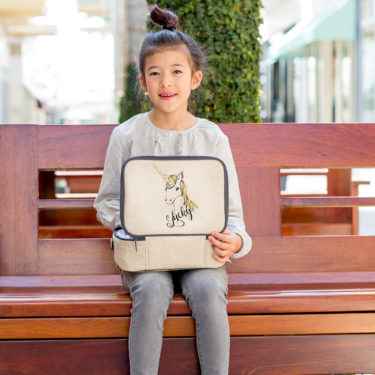
Rule the playground with these washable insulated kids lunch boxes. The Lucky Unicorn Lunch Box features smart design details such as a removable insert for quick cleaning and a messenger/backpack strap for unburdened ease of movement. Kids will love writing their superhero name on the inside tag. Luck is on your side with this enchanting Unicorn, who’s always ready to take you on your next magical adventure. Available in other unique designs. $30

Back to School Label Packs
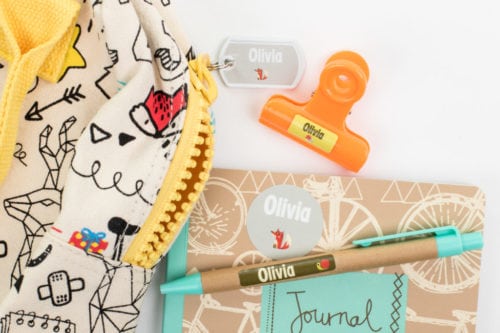
Mabel’s Labels is North America’s leading provider of waterproof, personalized labels for all the stuff kids lose at daycare, school and camp. These Back-to-School Label packs are durable and adorable. They are dishwasher and laundry safe and guaranteed to withstand the toughest conditions. They’re perfect for putting your child’s name on all of their things that leave the house, from shoes, clothing, and backpacks, to lunch containers and school supplies. Just peel and stick. Labels are made in Canada and the USA and backed by a 100% satisfaction guarantee and standard shipping is always free. $18.99 and up.

Tub Cubby Bath Toy Organizer
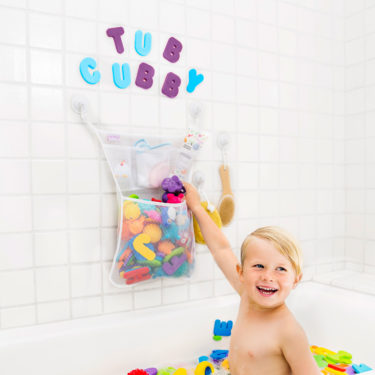
Get your toys and bath items organized and enjoy bath time fun with Tub Cubby Bath Toy Organizer. Tub Cubby’s quick dry, mold resistant mesh net is double stitched and guaranteed for life. The white mesh net bag easily mounts to any wall or tucks into a corner for maximum storage. Like a toy hammock, the air circulates through the basket keeping your kids toys dry. Older kids can use the Tub Cubby on a hanger like a shower caddy, in RVs, boats and laundry rooms to stay organized. Lock Tight Suction Hooks are great for smooth walls and the 3M Stickers are great for texture walls. $10.98.

For more product reviews, visit nappaawards.com.
 

“What school is your child going to?”

No other question (other than perhaps “Do you have a reliable babysitter?”) is uttered more frequently at playgroups and birthday parties. And none evokes more anxiety. Most parents are well aware of the pressures of school choices. This parental one-upsmanship starts in preschool and grows with the child.

Why does it matter so much? Is it because we want the world to know that our child is so beguiling that he can get into XYZ Preschool? Or that her SAT scores were so off the charts that all the Ivies are knocking down our doors? Or is it because these school choices really matter to our kids’ futures?

The recent college-admission scandal has brought these questions to the top of our collective parental minds.

“It hits people right in the stomach,” says Lara Fielding, Psy.D., author of “Mastering Adulthood: Go Beyond Adulting to Become an Emotional Grown-up.” “It just stinks of the entitlement that our American culture kind of hates.” And Fielding says the recent scandals involving bribery and cheating to get kids into colleges reflect one of the biggest mistakes we can make as parents: fixing short-term anxieties.

Fielding says there’s something that feels really good about lowering a child’s anxiety, so oftentimes, you keep repeating the behavior. But going to extremes and solving all of our kids’ problems robs them of vital skills that they need to develop by learning from their own discomfort. “I was, in a way, happy to see this scandal break, hoping maybe now this would be the final red flag. Can you see what you’re doing? Why your kids are ending up in my office so often?” says Fielding, who has a practice in Beverly Hills, California.

But how do we, as involved and concerned parents, avoid these traps and find balance? How do we manage our anxieties about whether our children are going to get into college, find rewarding careers and, ultimately, become happy, productive adults?

We have to decide what our guiding values are as parents and stop listening to the “mind chatter,” as Fielding calls it. “All that mind chatter is a reaction to social comparisons,” she says, “and not consistent to your values.” She recommends using mindfulness techniques when you’re starting to spiral in on whether you feel you’re doing enough for your child or are comparing yourself to another parent’s experiences: Pull yourself back into the present and remember that these thoughts are just thoughts, not facts.

Not all kids are at the top of their class. Or care about school. Or are dying to attend a top-tier college. Those issues often feed into a parent’s anxiety and can lead to the temptation to cheat or buy your way in.

But receiving a rejection letter from a dream school or not achieving a high SAT score can be its own lesson in resilience, and swooping in to rescue your child from disappointment can be a disservice. Remember, Fielding says, that “doing things to help your child feel good short-term is sort of like picking up the crack pipe.”

She stresses that your child’s academic life is only a piece of the big picture of who they are. “It always comes back to those values as a family,” she says. “All we can do is mind our side of that fence and do the best we can to live a vital and fulfilling life, which comes from being consistent to our own true north.”

So the next time you get asked that all-important question, answer it with confidence, knowing that it’s not about the school, but rather about the human being that you’re raising.

These recent NAPPA Award winning products provide great resources for families facing learning challenges.

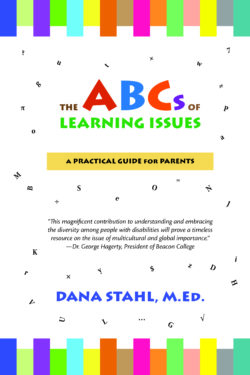
The ABCs of Learning Issues

Available in both English and Spanish versions, The ABCs of Learning Issues is a practical guide to help parents understand common learning disabilities and behaviors they may observe at home and hear about from teachers. It offers effective teaching strategies for school and at home, provides a list of professionals who can assist in treating learning issues, and directs readers to Educational Alternatives’ website where they can ask the author confidential questions regarding their children. $39.99

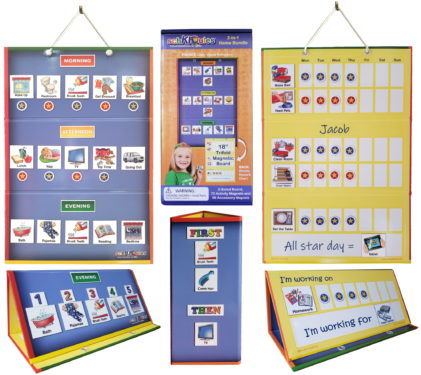
SchKIDules 2-in-1 Home Bundle Visual Schedule

SchKIDules Home Bundle is a positive behavioral support for parents and kids to use together at home. This versatile product allows parents to display anything from simple “first-then” boards, to routines, to daily schedules, to reward charts and more. Kids use them for many reasons such as: simple communication, task execution, early learning, self-management and cooperation. Some children may rely on them more than others such as: kids with ADHD, Autism, NVLD, or visual learners. $42.99, ages: 3+

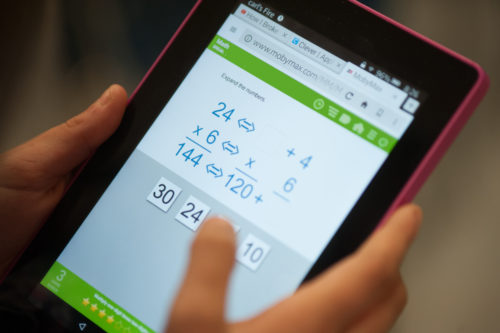
MobyMax Suite

MobyMax is designed to help kids with learning challenges. This suite of assistive technology innovations saves special education teachers valuable time with online assessments, grading and markup tools, easy and accurate diagnostics, IEP reporting, and real-time progress monitoring.

MobyMax offers the only complete and comprehensive K-8 curriculum for 27 subjects, including math, reading, phonics, language, vocabulary, spelling, writing, science, social studies, and state test prep. MobyMax is used in more than 82% of all K-8 schools in the United States with over 28 million students registered. Ages PreK-18 years.

Now that our kids are back in school for a few months, the disorganization is beginning to settle in. So we thought, let’s gather some simple and practical tools to get back on track. We all know when your kids have an organized homework area and backpack, we’re all so much happier and less stressed!

Make a List 

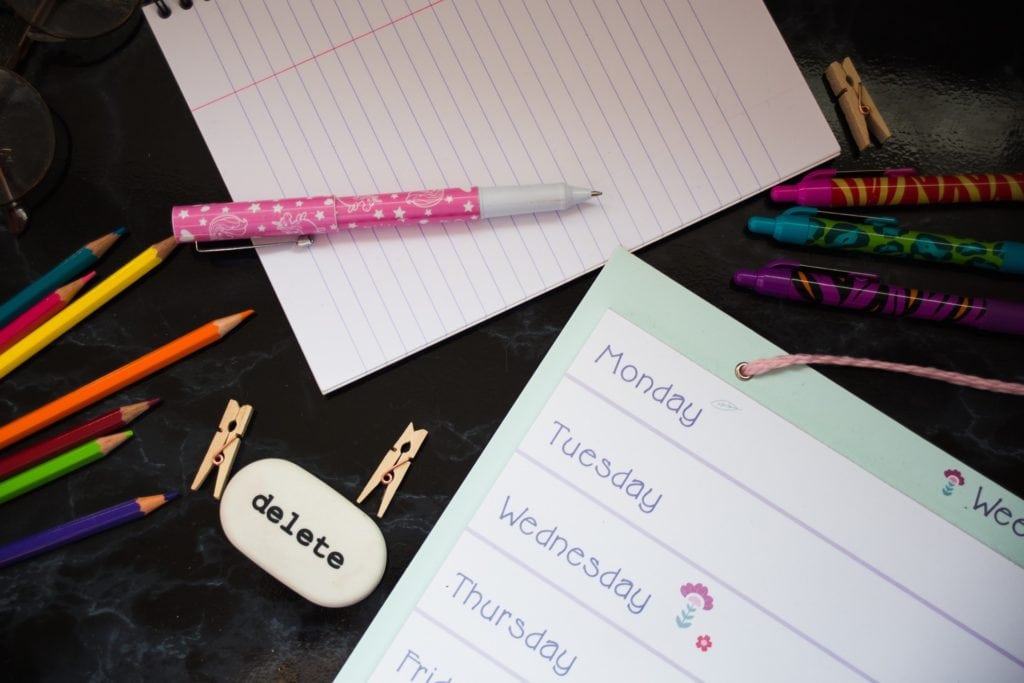
By creating checklists reminding your child what to bring with them and by helping them create to-do lists that break down their assignments for the week, we provide a terrific tool for our kids to easily tackle the stress of assignments. Psychology Today shows that making lists can even increase creativity and reduce anxiety. Making lists is a great first step to helping your child get organized.

Make sure your child has a designated study space

Learning does not stop in the classroom. Numerous studies have found that completing assignments in a study space that is consistent is crucial for maximum learning and information retention. Giving your child the freedom of personalizing their study space can make for a fun activity, and having the space can help keep them focused. Healthy learning habits begin at home, and creating an area where your child feels comfortable and productive is a perfect place to begin.

Keep a Planner

One of the best ways to stay organized in school is by keeping a planner. Studies have shown that keeping planners can even improve focus and memory. Writing down notes, assignments, and events all in one place can help your child easily navigate through their tasks. A way to get your child excited about using planners is by having them write down not just their assignments and tasks, but also the things they are excited for. Having a defined spot for keeping goals and assignments in check is a great way to help your child get organized.

Make Labels

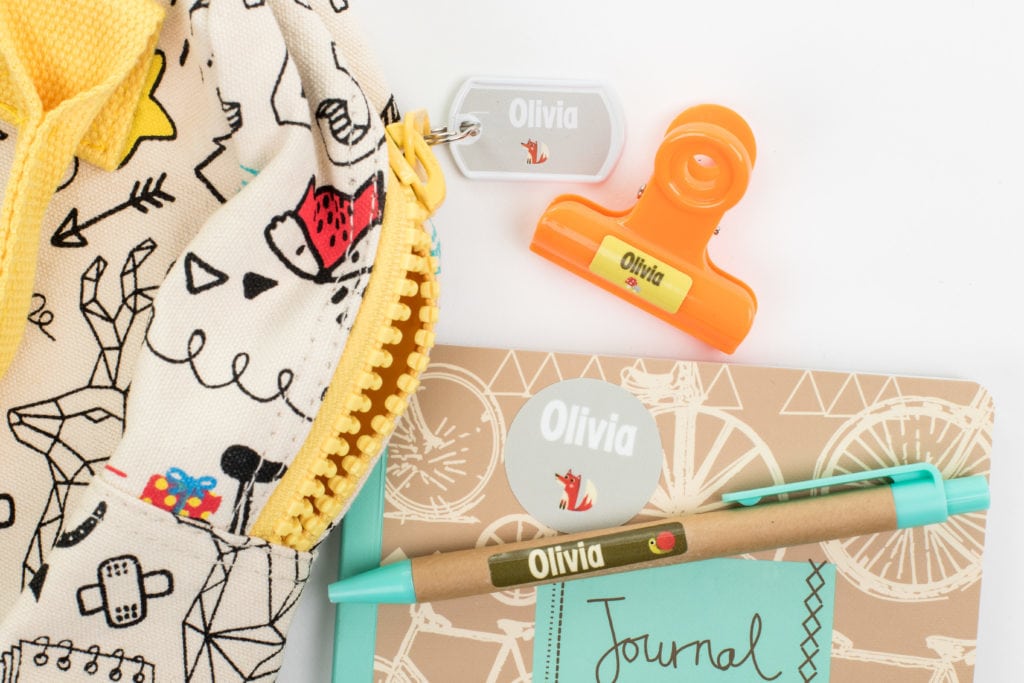
Spending ample time searching for the right materials at home and school can be frustrating. By creating labels on drawers, backpacks, and other school related items, your child will have a much easier time finding the exact materials they need to be productive. Also, putting your child’s name on the things they take to school is crucial for making sure they come home with the same amount of materials they had when they left the house. One of our 2018 NAPPA Award winners are these great label packs from Mabel’s Labels.

Have them make their bed in the mornings

Making your bed is such a seemingly insignificant task that many of us feel isn’t worth doing. By completing this simple task in the morning though, it can motivate your child throughout the day. According to Navy Seal Vice Admiral William McRaven, having your child make their bed can give them a sense of accomplishment early in the morning, therefore stimulating them to complete more daily tasks and to stay organized. Also, coming home to a freshly made bed and clean room sets the tone for organization in other aspects of their life.

Help your child pack their backpack the night before

If you’re like us, you know the stress of rushing out for work while trying to help your child get ready for school. Preparing as much as you can the night before, whether it be a lunchbox, a backpack, or outfits for your little ones, will help decrease the amount of morning stress put on you and your family. Also, it helps your child be more prepared and organized throughout the day. It is much easier to remember every item needed for school when prepared the night before, so your child will not have to worry about missing anything during their day at school.


Bake sales are always fun school fundraisers, but those of us who have kids with allergies have to be a little more careful about what they can munch on at one of these food-filled events. Here at NAPPA, we’ve made the struggle a little easier by collecting recipes that are either nut-free, gluten-free, dairy-free, egg-free, or all four! We hope you enjoy creating and selling these recipes that will help satisfy the tastebuds of kids with and without allergies.

Nut-Free=NF
Gluten-Free=GF
Dairy-Free=DF
Egg-Free=EF

Gluten Free Vegan Lemon Squares (GF, DF, EF)

Lemon squares are a classic bright treat perfect for any bake sale. Appealing to those with dairy, egg, and gluten allergies, these lemon squares are sure to be a big hit!

Recipe Here

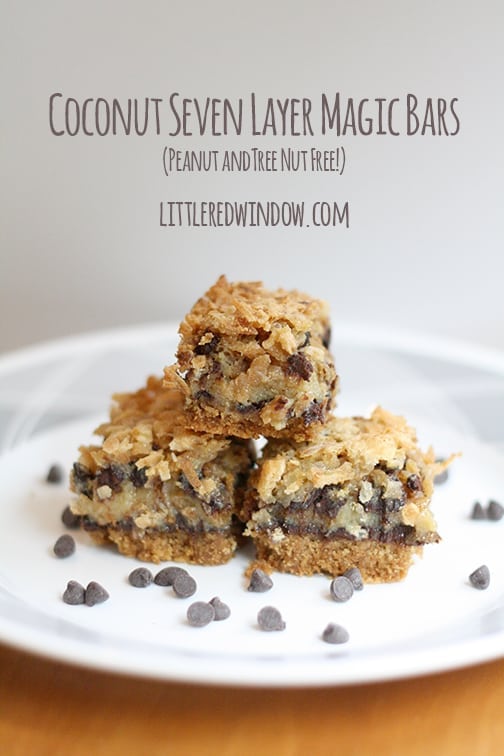
7 Layer Magic Bars Without Nuts (NF)

These 7 Layer Magic Bars are sure to create a line at your child’s next school bake sale! Nut-free, fun to make, and extremely delicious, you’ll want to make a batch of these for yourself.

Recipe Here

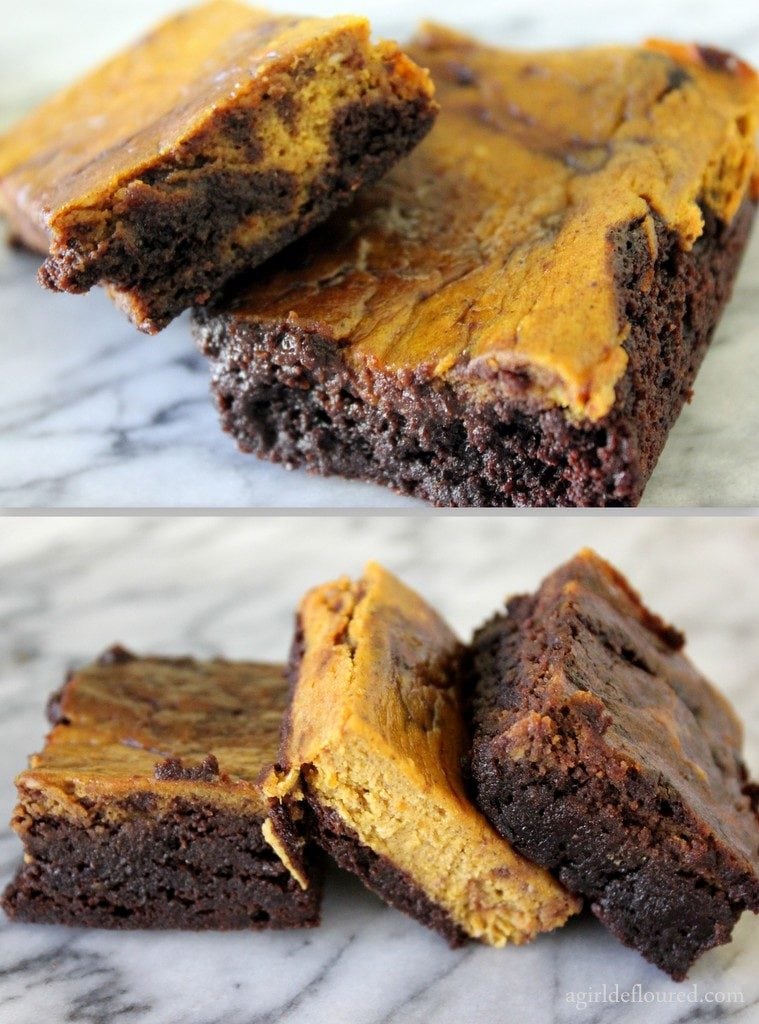
Gluten-Free Pumpkin Swirl Fudge Brownies (GF, NF)

Perfect for fall, this pumpkin-brownie mashup is an impressive dish to take to any event. Deceptively easy and extremely delicious, this classic treat will be a showstopper at your child’s next bake sale.

Recipe Here

Gluten Free Sandwich Cookies (GF, NF)

Traditional sandwich cookies are so preschool. These delicious, fun, and adorable gluten free cookies are a great bake sale treat that everyone can enjoy.

Recipe Here

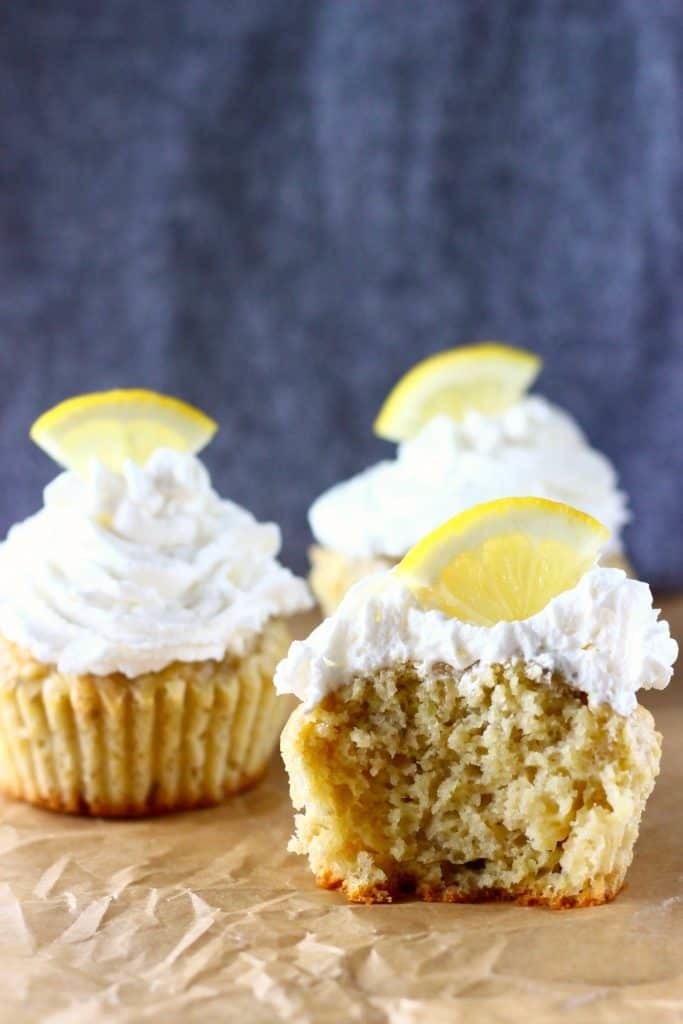
Gluten Free Vegan Lemon Cupcakes (GF, DF, EF)

Sweet and tangy, lemon cupcakes give a great citrusy twist to the classic dessert. Nobody will miss the dairy, eggs, or gluten in this allergy-friendly recipe!

Recipe Here

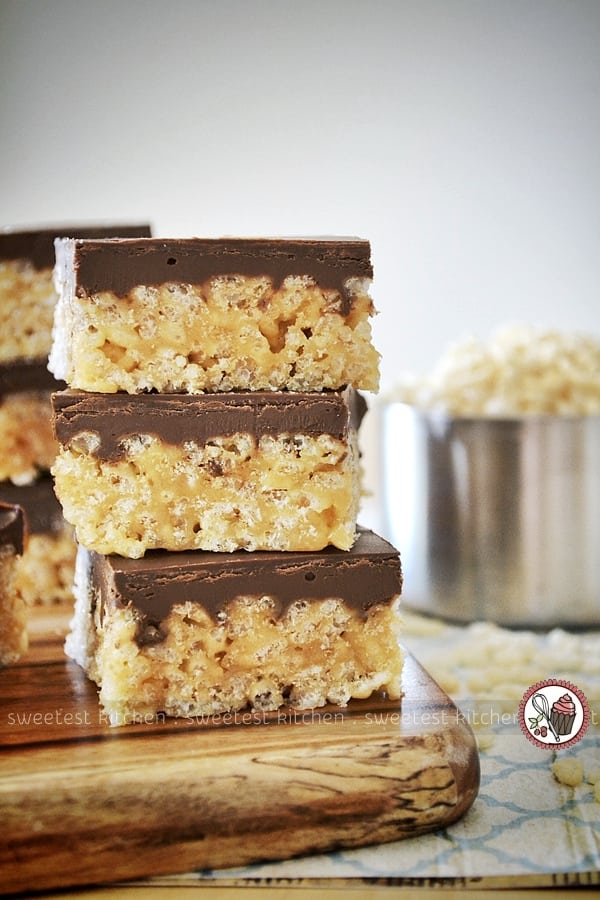
Healthier Chocolate & Peanut Butter Rice Krispies Treats (GF, DF, EF)

Rice Krispies treats are an easy-to-make favorite at any bake sale. Made healthier with the use of peanut butter, and made extra delicious with the use of chocolate, these treats are perfect for those with dairy, egg or gluten allergies.

Recipe Here

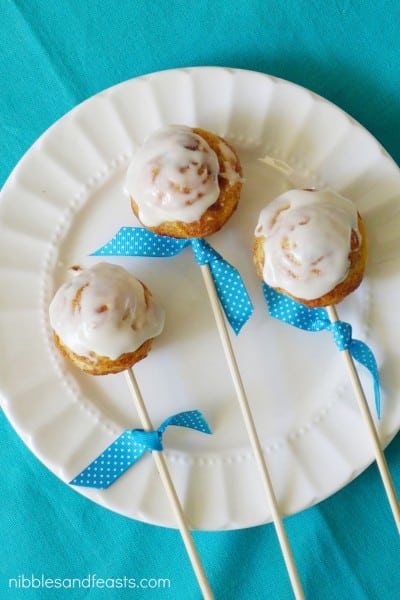
Mini Cinnamon Rolls on a Stick (NF)

These cinnamon rolls are gooey and delicious treats made so much more fun when put on a stick. Adorable and portable, these nut-free cinnamon rolls will be the star of any event!

Recipe Here

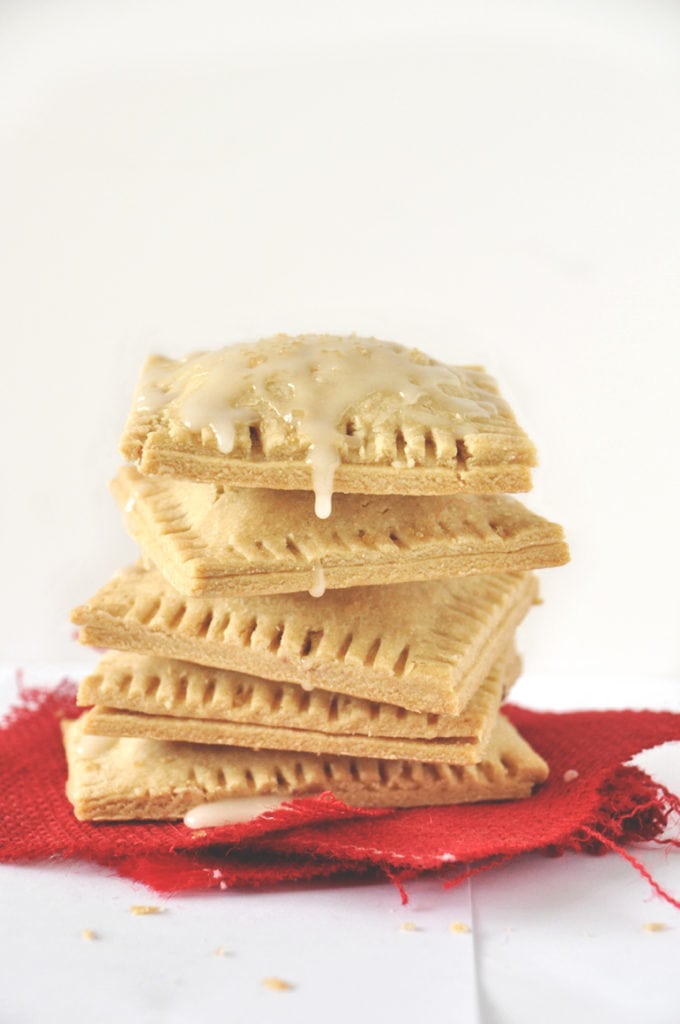
Vegan Berry Pop Tarts (DF, EF, NF)

Healthier and tastier than store-bought toaster pastries, these vegan berry pop tarts will have everyone wanting more. Sweet, allergy-friendly, and mess-free to eat, you’ll be wondering why you didn’t make these sooner.

Recipe Here

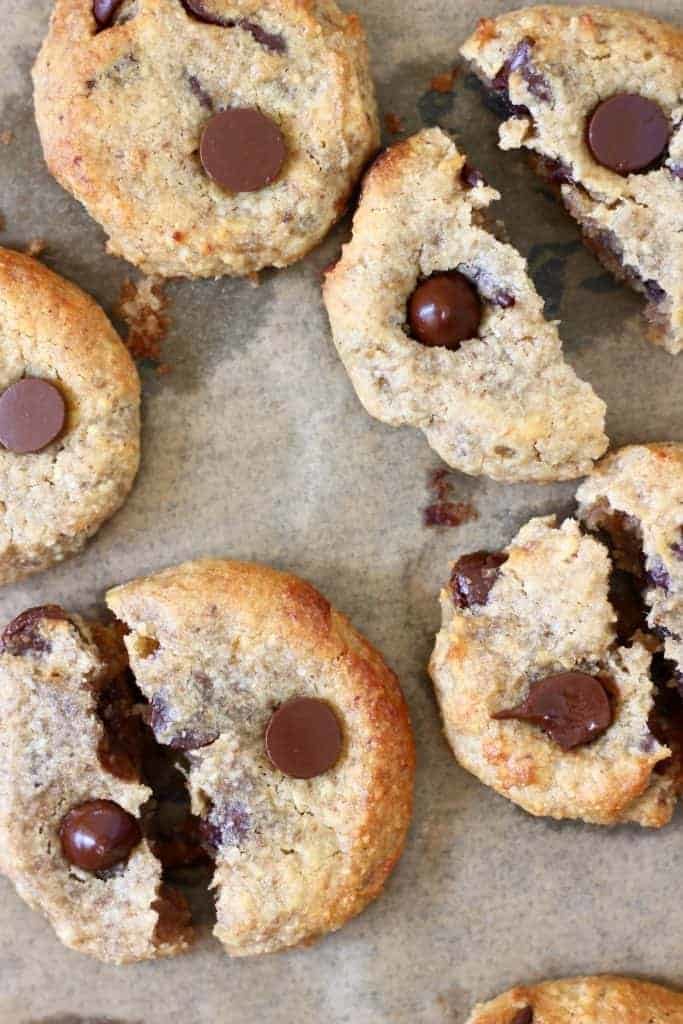
Vegan Gluten Free Chocolate Chip Cookies (GF, DF, EF)

Chocolate chip cookies are a classic bake sale treat that many gluten-sensitive kids can’t enjoy. These gluten free chocolate chip cookies are just as delicious as the original, so they’re sure to wow at your child’s next school bake sale.

Recipe Here

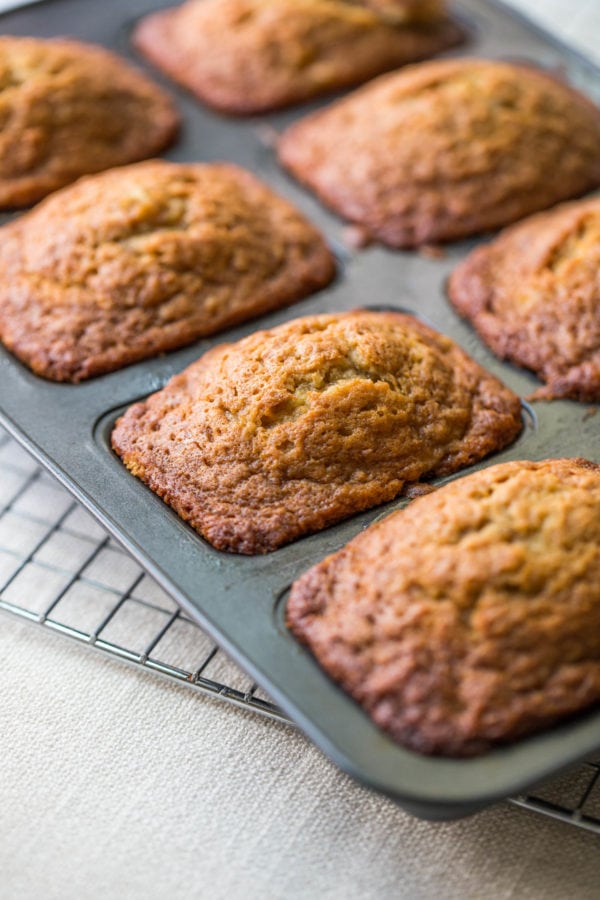
Mini Banana Bread Loaves (NF)

Banana bread is a delectable baked good, and these miniature banana bread loaves make them perfect for bringing to your child’s next school bake sale. Nut-free and delicious, you’re sure to impress with these yummy little loaves!

Recipe Here

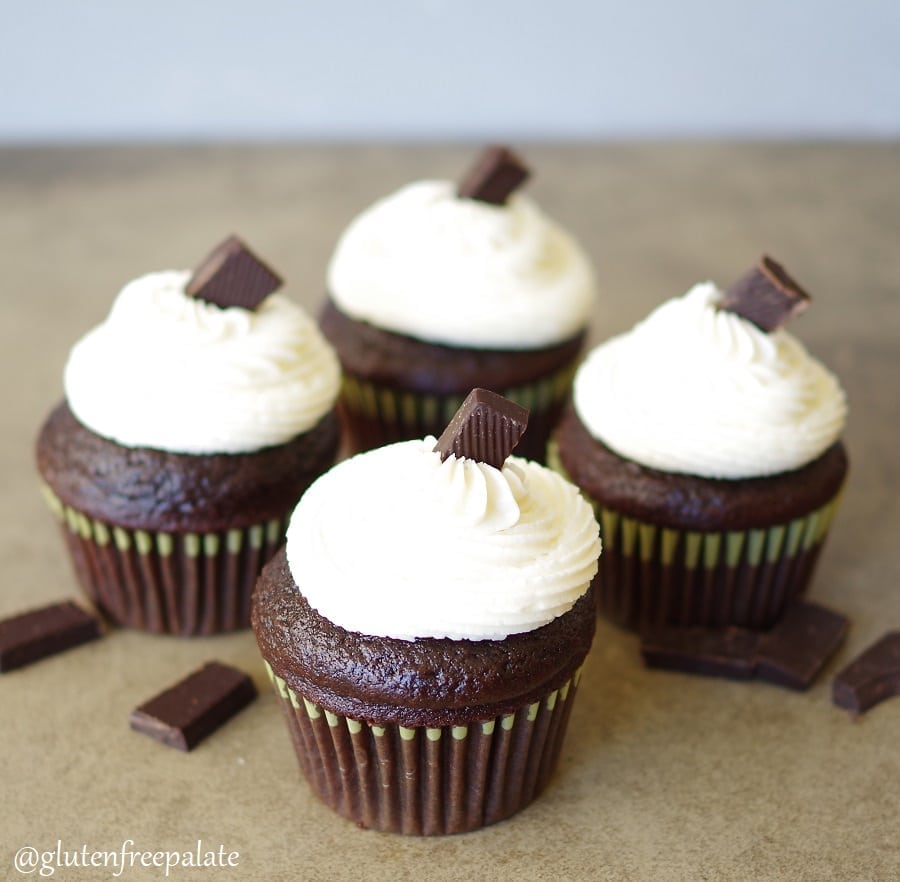
Gluten-Free Vegan Chocolate Cupcakes (GF, DF, EF, NF)

Everyone loves cupcakes no matter the occasion. Rich and easy to make, don’t be surprised if people line up for these cupcakes before the bake sale even begins.

Recipe Here

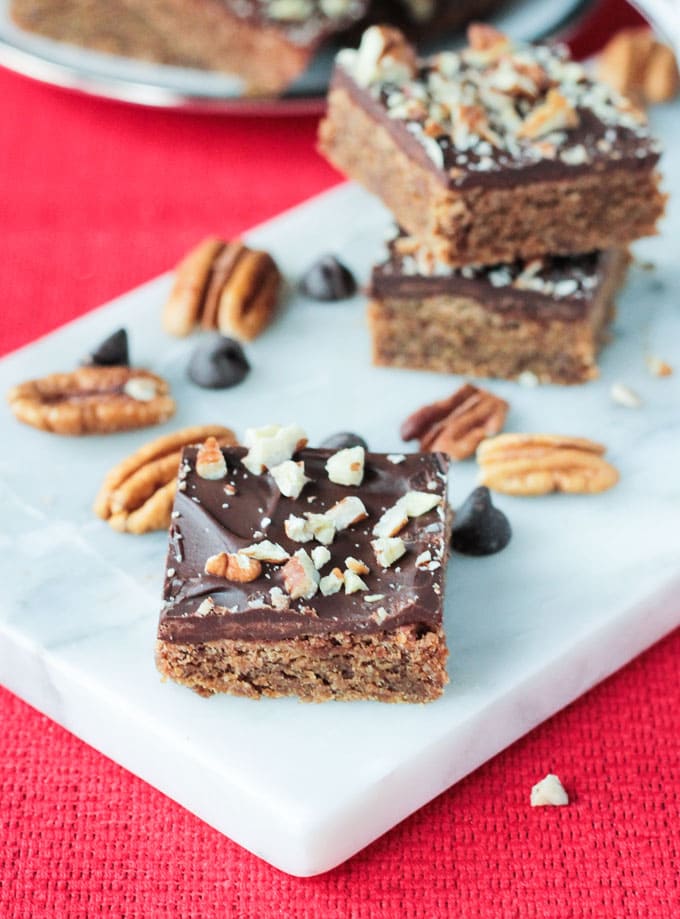
Vegan Toffee Bars (DF, EF)

After tasting one bite of these indulgent dairy-free and egg-free toffee bars, you won’t believe how simple they are to make. Healthier than most bake sale treats, you can feel good about sending your child to their next bake sale with a big batch of this incredible dessert.

Recipe Here

For me, getting a locker was the most exciting part of middle school. Having my own space, no matter how small, felt mature, and it gave me a sense of responsibility. As the years went on though, having a locker became more of hassle than a perk because of how messy and unorganized it became. Here at NAPPA, we’ve discovered some great tips to share with your kids to keep their lockers organized, decorative and functional.

Use a locker shelf

A great first step to keeping your locker organized and hassle free.

Visit your locker at least once a day

Lockers are great for easing your backpack load throughout the day and visiting your locker gives you an incentive and opportunity to keep it clean since nobody likes to open a messy locker.

Don’t make your locker a trash can

Lockers can go from storage units to trash cans in a matter of weeks. Make sure to empty out any unwanted trash at the end of each day.

Personalize it

Putting up photos, posters, artwork and magnets provide a great incentive to keep lockers clean and organized. And it’s a great way to express creativity.

Keep a place for reminders

Lockers are great places to keep small whiteboards or notebooks where you can write reminders for yourself throughout the school year. Writing down which materials you need for each class can make visiting your locker a breeze, and writing to-do lists for the week can help you keep up with your assignments.

#backtoschool #PlayLearnConnect #kids #school #organize

Don’t Miss Out On The Fun

Sign up for our ENews and be the first to know the latest on toys & family must-haves, giveaways & gift and play ideas!

No Thanks Let's Connect

Family must-haves, articles & giveaways